
TxDot Calls for Safer Driving as Work Zone Traffic Deaths Rise During Pandemic
April 28, 2021
GOBUS
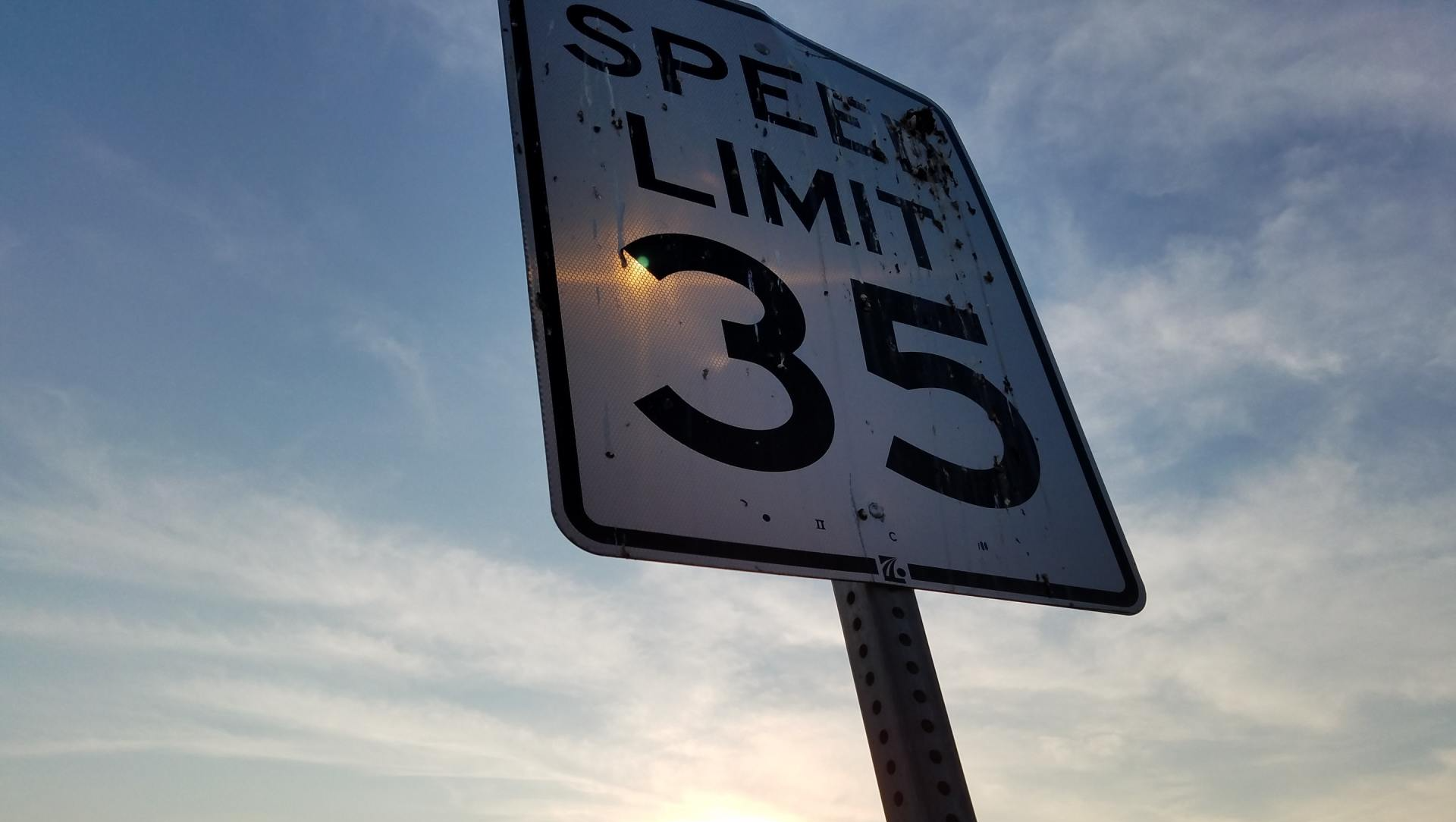
Even with less traffic during the pandemic, Texas work zone fatalities increased 9% in 2020 compared to 2019. That’s why TxDOT
is calling on drivers to make safety their number one priority at all times and especially when passing through active construction and maintenance work zones on the roadway.
TxDOT’s “Be Safe. Drive Smart.” campaign is marking National Work Zone Awareness Week, April 26–30, with safety tips to reduce work zone fatalities. Last year, there were more than 22,000 traffic crashes in Texas work zones with 186 people killed, including four road workers.
“We know driving through work zones can be challenging,” said TxDOT Executive Director James Bass. “There can be extra congestion, slow-moving heavy equipment, temporary barriers, and vehicles that make sudden stops. We can’t stress enough how important it is to give driving your full attention and slow down— for your own safety and that of the people who work alongside the road.”
Drivers and their passengers account for the majority of those who have died in work zone crashes. In 2020, 147 motorists and vehicle passengers were killed in Texas work zones, along with 35 pedestrians and bicyclists and four road workers. The Texas Mutual Insurance Company, which helps employers prevent workplace incidents and their consequences, is partnering with TxDOT to promote safe driving. The “Be Safe. Drive Smart.” campaign outlines five key steps drivers can take to safely navigate a work zone:
- Slow down. Follow the posted speed limit and drive to conditions. Unsafe speed is one of the main causes of crashes in work zones.
- Pay attention. Avoid distractions, keep your mind on the road and put your phone away.
- Watch out for road crews. The only protective gear they wear is a vest, a hardhat and safety boots.
- Remember, they want to get home safe, too.
- Don’t tailgate. Give yourself room to stop in a hurry if you need to. Rear-end collisions are the most
- common kind of work zone crashes.
- Allow extra time. Road construction can slow things down. Count on it, and plan for it.
Traffic fines double in work zones when workers are present and can cost up to $2,000. Failure to heed the Move Over/Slow Down law can also result in a $2,000 fine. State law requires drivers to move over a lane or reduce their speed to 20 mph below the posted speed limit when approaching a TxDOT vehicle, emergency vehicle, law enforcement, tow truck or utility vehicle stopped with flashing lights activated on the roadside.
“Be Safe. Drive Smart.” is a key component of #EndTheStreakTX, a broader social media and word-of mouth effort that encourages drivers to make safer choices while behind the wheel such as wearing a seat belt, driving the speed limit, never texting and driving and never driving under the influence of alcohol or other drugs. Nov. 7, 2000 was the last deathless day on Texas roadways. #EndTheStreakTX asks all
Texans to commit to driving safely to help end the streak of daily deaths.
You might also like

ETCOG has completed its 2026 Regional Public Transportation Coordination Plan, a five-year roadmap for improving transportation coordination, access, and mobility across the 14-county East Texas region. The EasTexConnects Regional Coordination Committee adopted the plan on October 21, 2026, after a yearlong planning process that included community outreach, stakeholder input, transportation-provider feedback, public review, and committee workshops. Required by federal and state transportation planning guidelines, the Regional Public Transportation Coordination Plan identifies transportation needs and service gaps affecting East Texans, particularly older adults, people with disabilities, low-income residents, veterans, job seekers, youth, and households without reliable access to a vehicle. The plan also outlines strategies to guide regional coordination efforts and support eligibility for certain transportation funding opportunities. “Reliable transportation is essential to accessing healthcare, employment, education, shopping, and other daily needs,” said ETCOG's Transportation Director, Vince Huerta. “This plan gives our region a shared framework for working together to address mobility challenges and build on the transportation services already available in East Texas.” ETCOG serves as the Lead Coordination Agency for TxDOT Planning Region 6, which includes Anderson, Camp, Cherokee, Gregg, Harrison, Henderson, Marion, Panola, Rains, Rusk, Smith, Upshur, Van Zandt, and Wood counties. Community Input Shaped the Plan Public engagement was a central part of the planning process. ETCOG and its project team conducted 15 pop-up outreach events across the region, distributed surveys to nearly 400 community stakeholders, and collected 308 valid community survey responses. The input identified several recurring transportation challenges, including: Limited awareness of available transportation services and how to use them; Difficulty accessing medical appointments, employment, training, shopping, and other essential destinations; Limited service days, hours, and capacity in some rural areas; Challenges traveling between counties or outside the East Texas region; and The need for sustainable funding to maintain and expand transportation services. Among stakeholder survey respondents, 67 percent reported that clients sometimes have difficulty accessing healthcare because of transportation barriers, while 59 percent cited challenges reaching work or school. Four Regional Goals The completed plan establishes four regional goals to guide coordination over the next five years: Improve coordination between transportation providers in the region. Improve access to essential services for transit-dependent populations. Maintain and enhance public transportation services in the region. Improve connectivity with the larger regional transit network. Recommended strategies include coordinated outreach and travel training, stronger partnerships among transit providers and community organizations, efforts to identify sustainable funding, service improvements where feasible, and coordination with neighboring regions to address interregional travel needs. The plan is intended to serve as both a regional blueprint and an implementation tool. It will help guide future collaboration among transportation providers, local governments, healthcare and human-service organizations, workforce partners, and other stakeholders. Projects included in the plan may also be considered for funding opportunities, including Federal Transit Administration Section 5310 funds for enhanced mobility for seniors and individuals with disabilities. The complete 2026 Regional Public Transportation Coordination Plan is available in two volumes: Volume 1: Final Plan Volume 2: Appendices
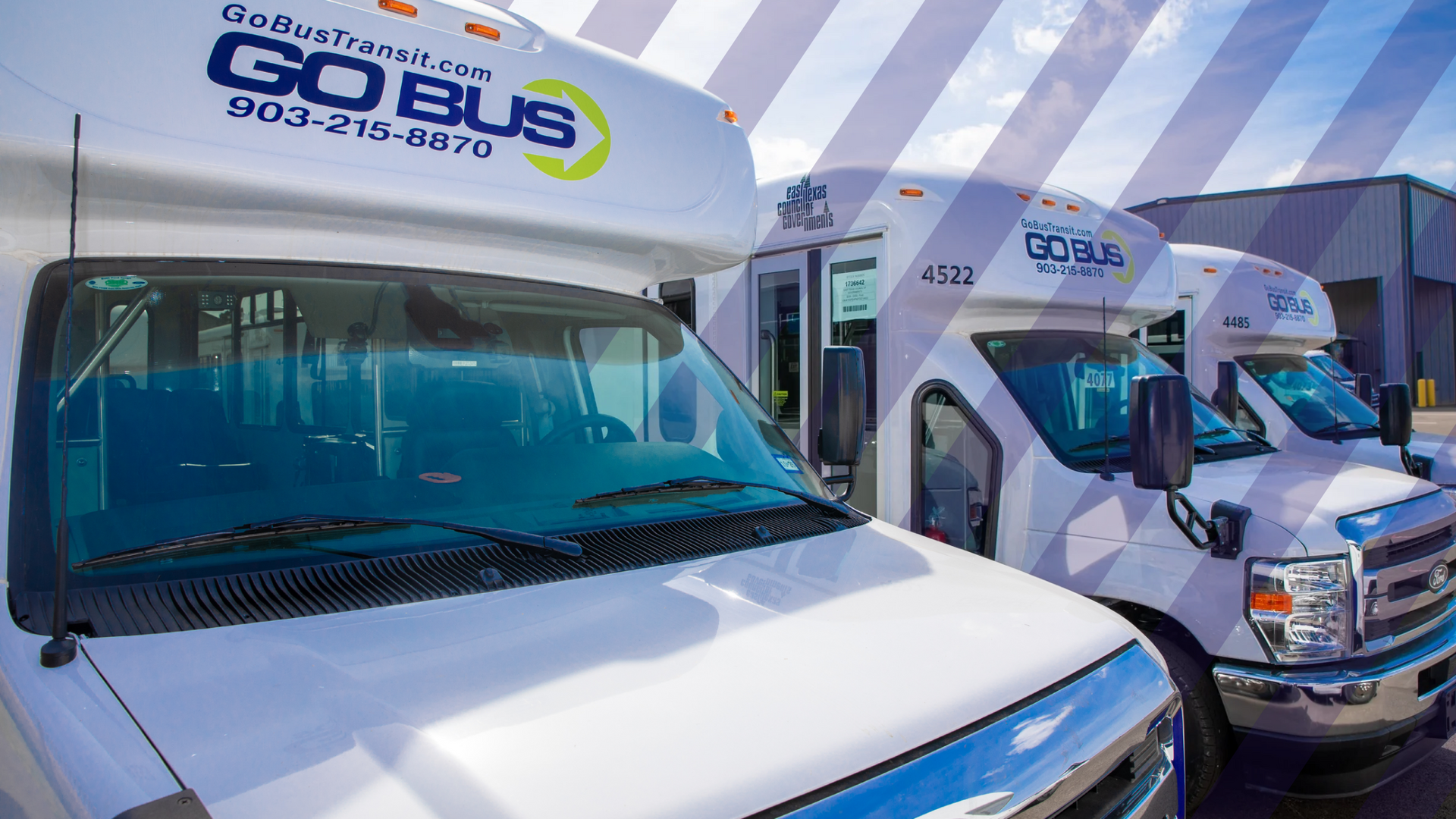
ETCOG is pleased to provide a GoBus Community Partner Media Kit for our member communities to use in local communications. The kit is designed to make it easy for cities, counties, libraries, schools, health care providers, community organizations, and other local partners to share clear, consistent GoBus information with residents. Partners may download the materials and incorporate them into their own websites, newsletters, social media channels, community calendars, public-information displays, and resident outreach. The media kit includes: GoBus overview and core messaging Contact, reservation, and website information Ready-to-use social media posts Website-ready copy County-specific service schedule information Information about who can ride, accessibility, fares, trip purposes, and how to reserve service Key service details for demand-response transportation, regional connections, veterans' transportation, ADA accessibility, and select local service options By sharing these resources, member communities can help ensure residents know that GoBus is available to the public and can provide transportation to medical appointments, employment, education and training, grocery stores, pharmacies, government offices, and other important destinations. Because service days, regional connections, and trip availability vary by county, communities are encouraged to share the county-specific schedule information included in the kit and direct residents to GoBus for reservations and current service details. Download the GoBus Community Partner Media Kit and help connect residents to transportation, opportunity, and essential services throughout East Texas. For questions about GoBus service or to schedule a ride, residents may visit GoBusTransit.com or call 903-215-8870.
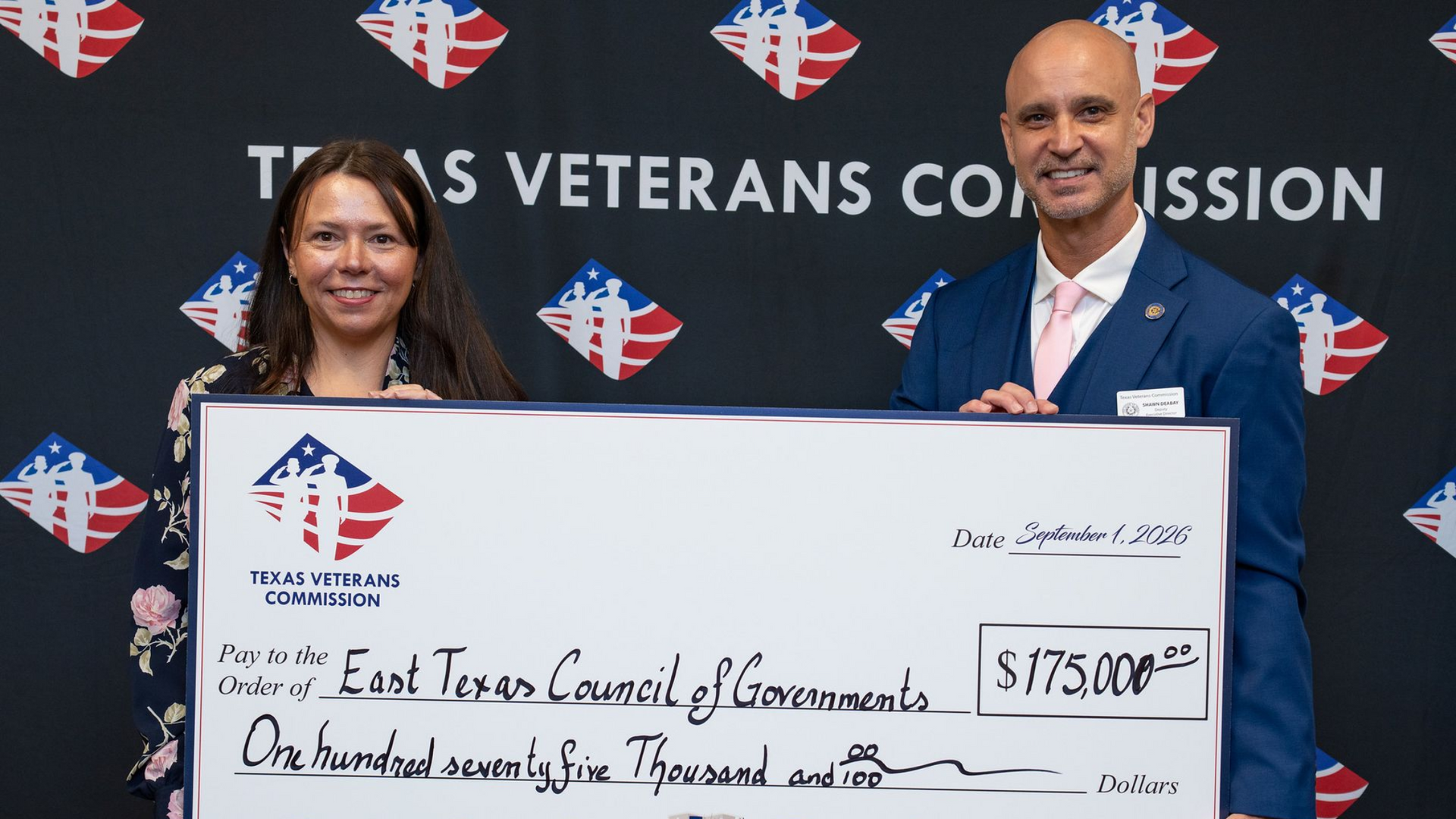
The East Texas Council of Governments (ETCOG) has received a $175,000 grant from the Texas Veterans Commission to continue transportation services for veterans through its rural transit district, GoBus. The funding is part of more than $3.3 million in Texas Veterans Commission grants awarded this month to 13 veteran-service organizations across East Texas. Statewide, the commission awarded $40.8 million to organizations helping veterans and their families access critical services. For many veterans in rural East Texas, reliable transportation can be a barrier to medical appointments, employment, education, grocery stores, social service programs, and other essential destinations. The grant will help GoBus continue providing transportation options that support veterans’ independence and connection to the services they need. “We are grateful to the Texas Veterans Commission for investing in transportation access for veterans in our region,” said ETCOG’s Transportation Director, Vince Huerta. “Through GoBus, we can help reduce the transportation barriers that too often stand between veterans and essential health care, employment opportunities and community resources. With this grant, we are proud to offer free trips for veterans and active service members, their spouses and dependents.” GoBus provides public transportation across East Texas, helping residents in rural communities travel safely and affordably where transportation options may otherwise be limited. Every single vehicle in our fleet is ADA compliant and ready to serve passengers with mobility challenges, disabilities, or special needs. The Texas Veterans Commission’s Fund for Veterans’ Assistance supports organizations that provide direct assistance to veterans, their families and surviving spouses. Grant funding helps address service gaps in areas such as transportation, housing, financial assistance, legal services, and other supportive programs. Veterans who need transportation assistance are encouraged to contact GoBus to learn about available services, eligibility requirements, and how to schedule a trip. For more information about GoBus, visit www.gobustransit.com or call 903-215-8870.